Should you open windows during a heatwave? Sometimes yes, sometimes absolutely not. The useful answer depends on the temperature difference between indoors and outdoors, the amount of direct sun, air quality, humidity, and whether you can ventilate safely.
The common mistake is treating windows like a mood: open because the room feels stuffy, closed because the day feels hot. A better approach is to compare conditions. Windows can release stored heat when outdoor air is cooler. They can also pull hotter air into the room and make the afternoon worse.
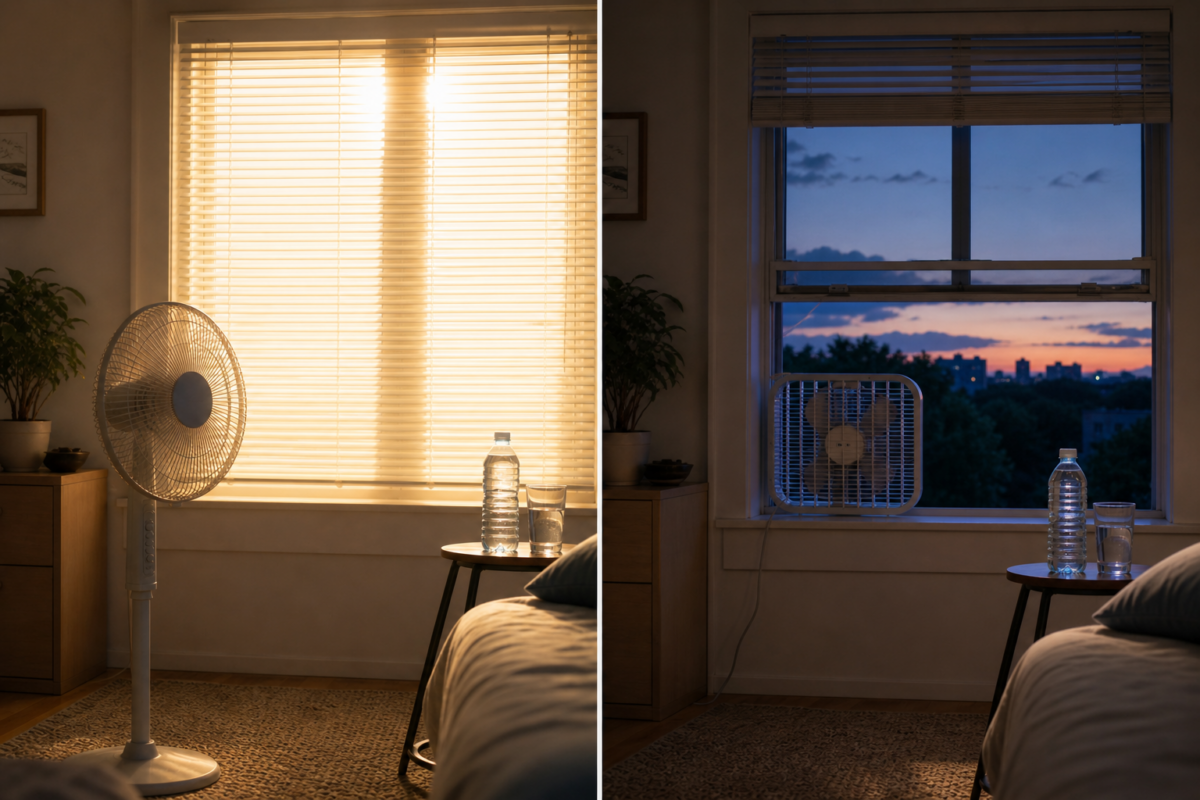
Quick answer: Keep windows closed when outdoor air is hotter than indoor air, when direct sun is hitting the glass, or when air quality is poor. Open windows when outdoor air becomes cooler, safe, and clean enough to bring inside—usually evening, overnight, or early morning.
| Situation | Open or close? | What to do |
|---|---|---|
| Outside hotter than inside | Close | Keep windows shut and block sun so you do not invite more heat indoors. |
| Outside cooler than inside | Open if safe | Ventilate with a shaded intake and a warmer exhaust path. |
| Direct sun hitting the window | Close and shade | Close blinds or curtains before sunlight heats floors, furniture, and bedding. |
| Bad air quality or wildfire smoke | Close | Follow official local air-quality guidance even if outdoor air feels cooler. |
| Cooler evening air | Open strategically | Use cross-ventilation or an outward-facing fan to exhaust stored heat. |
| Room never cools overnight | Do not rely on windows | Plan time in a cooler location and follow local heat guidance. |
The simple temperature rule
Open windows when outdoor air is cooler than indoor air. Close windows when outdoor air is hotter than indoor air. That is the basic rule, and it solves more heatwave confusion than any gadget.
Compare indoor and outdoor readings
Place an indoor thermometer away from direct sun, appliances, and fan airflow. Compare it with shaded outdoor air or a reliable local weather reading. If your bedroom is 80°F/27°C and shaded outdoor air is 88°F/31°C, opening the window will probably add heat. If your living room is 86°F/30°C at 10 p.m. and outside is 74°F/23°C, ventilation can help.
Use “meaningfully cooler” as your cue
If the difference is tiny, airflow may not be worth the noise, pollen, or security tradeoff. A few degrees cooler outdoors is a better signal. In dry climates, evening ventilation may work earlier. In humid areas, the air may feel heavy even when the temperature drops, so comfort can be more mixed.
Do not forget surface heat
A room can stay warm even after outdoor air cools because the walls, floor, and furniture have stored heat all day. That is why an evening window routine may take 30 to 60 minutes to feel useful. A short blast of airflow is less effective than a steady path from cooler intake to warmer exhaust.
When to close windows and blinds
During the hottest part of the day, closed windows and shaded glass usually help more than open windows. Sunlight through glass heats floors, counters, bedding, and furniture. Once those surfaces are warm, they continue releasing heat.
Sunny window example
For a west-facing apartment window, close blinds before direct sun arrives, not after the room is already hot. If you want daylight, open a shaded window covering elsewhere and keep the sunny side blocked. Exterior shade can be even better, but renters should check building rules before attaching anything outside.
Kitchen example
If the kitchen window is above a hot sidewalk or sunny wall, opening it during the afternoon may bring in warmer air. Keep it shaded and closed until outdoor air cools. After cooking, ventilate only if the air outside is cooler or if a built-in exhaust fan can remove heat safely.
When to ventilate
Ventilation is most useful in the early morning, evening, or overnight. The goal is to replace trapped indoor heat with cooler outdoor air, then close up again before the next round of heat arrives.
Apartment room example
In a one-bedroom apartment, the bedroom may stay cooler than the living room. Open the shaded bedroom window as the intake and the warmer living-room window as the exhaust once outside air drops. Keep interior doors open so air can move through the apartment instead of swirling in one corner.
Bedroom example
If you are preparing for sleep, ventilate before bedtime if outside air is cooler. Then place a fan several feet from the bed and aim it across your body rather than directly into your face. For more sleep-specific steps, see How to Sleep During a Heatwave.
How to use fans with windows
Fans make window decisions more effective when they have a clear job. The most useful setup is often one cooler intake and one hotter exhaust.
Exhaust from the hottest side
Point a fan outward from the warmest room or window to push trapped heat outside. This is especially useful after sunset in a living room that baked all afternoon. Open a cooler, shaded window elsewhere so replacement air has a better source.
Draw from the shadiest side
If you use a fan as an intake, choose the coolest and cleanest side of the home. Avoid pulling air from a sun-heated balcony, busy roadway, smoky area, or unsecured window. For placement diagrams and examples, read 7 Fan Tricks for Hot Rooms.
Factors beyond temperature
Air quality and smoke
Do not open windows just because outdoor air is cooler. During wildfire smoke, pollution alerts, or nearby construction dust, follow official local air-quality guidance. Cooler air is not useful if it makes the indoor air unhealthy.
Noise, rain, and security
Ground-floor windows, street-facing bedrooms, heavy rain, and noise rules can change the plan. Use secure openings, partial openings, or a different room when needed. Comfort advice should never override basic safety.
Humidity and indoor moisture
If outdoor air is cooler but very humid, opening windows may feel refreshing at first and sticky later. Watch how the room feels, especially after showering, cooking, or hanging laundry indoors. In muggy weather, reducing indoor moisture can matter almost as much as moving air.
Reduce indoor heat before opening windows
If the home is still producing heat, ventilation has to fight harder. Avoid the oven during peak heat, delay the dishwasher or dryer, and shut down unused electronics. A desktop computer, gaming console, bright lamp, or charger cluster can noticeably warm a small bedroom.
For a full indoor cooling sequence, use How to Cool a Room Without AC and Apartment Cooling Tips That Actually Help.
A simple evening window routine
- Check indoor temperature. Use a thermometer away from sun and appliances.
- Check shaded outdoor air. Wait until outside is cooler than inside.
- Choose an intake. Open a shaded, secure window with acceptable air quality.
- Create an exhaust. Open a hotter-side window and point a fan outward if available.
- Open the path. Keep interior doors open between the two points.
- Switch off heat sources. Reduce cooking, laundry, and electronics.
- Close up in the morning. Shut windows and blinds before heat and sun return.
When the rule is not enough
Some homes do not cool overnight, especially top-floor apartments, poorly insulated rooms, and places with long stretches of high nighttime temperature. If the indoor temperature stays dangerously hot, do not depend on window timing, fans, or internet hacks. Plan where you can spend the hottest hours: a library, shopping center, community cooling center, friend’s home, or another cooler location.
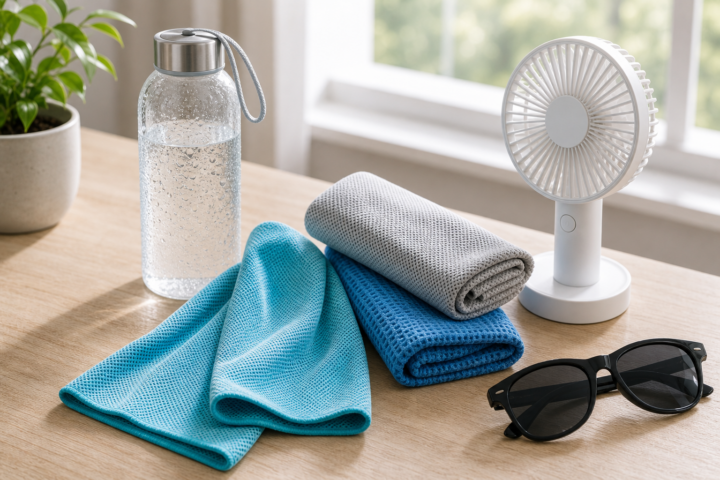
Keep essentials ready with the Heatwave Survival Kit Checklist.
Frequently asked questions
Should windows stay closed when it is hotter outside?
Usually yes. If outdoor air is hotter than indoor air, close windows and block direct sun to reduce additional heat gain.
When should I open windows during a heatwave?
Open them when outdoor air is cooler than indoor air, air quality is acceptable, and the window can be opened safely.
Should I open windows during wildfire smoke?
Check official local air-quality guidance. Cooler outdoor air may still be unsafe to bring indoors.
What if my apartment never cools overnight?
Do not rely on window tricks alone. Plan time in a cooler location and follow local heat guidance.
Sources and safety guidance
For heat safety guidance, see the CDC’s About Heat and Your Health page. This article is for practical home comfort and does not replace local emergency or public-health guidance.