The cabbage leaves cooling hack is exactly the kind of hot-weather idea that spreads because it is odd, cheap, and easy to film. Put chilled cabbage leaves on your skin, wait a few minutes, and see if you feel cooler. Charming? Yes. A serious cooling plan? No.
If you are curious, treat this as an old-school, folk-style comfort hack and a viral heatwave experiment, not a proven cultural tradition or medical technique. A chilled leaf can feel cool for a short time because it has been in the refrigerator and has moisture on the surface. That does not mean it lowers the temperature of a hot room or replaces shade, cooling, or urgent help.
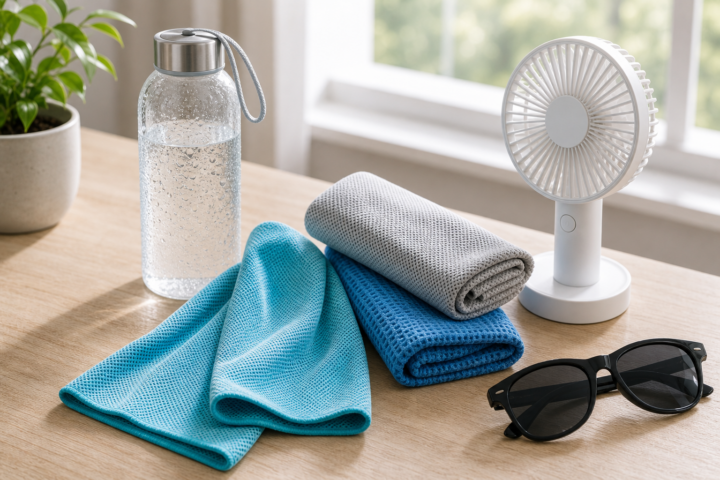
Quick answer: Chilled cabbage leaves may feel cool briefly because they are cold and moist. They are not a treatment for heat illness. A clean damp cloth, cool shower, shaded room, or reusable cooling towel is usually more practical.
Is this an ancient Korean method?
We could not verify a reliable source showing that this specific heatwave cabbage-leaf cooling hack is Korean, ancient Korean, or a universal traditional method. So this article will not present it that way.
Cabbage leaves have appeared in folk-remedy traditions in different places, especially as poultices or compresses. Some research has also looked at cabbage leaves for breast engorgement, but that does not prove heatwave cooling benefits. Here, we are only testing the simple comfort idea: does a chilled leaf feel pleasant for a few minutes on a hot day?
The realistic verdict
Chilled cabbage leaves may feel refreshing briefly. They are also awkward, damp, a bit smelly, and not especially practical compared with a cool shower, damp cloth, cooling towel, shaded room, or well-placed fan.
Why it can feel cool
The leaf starts cold because it came from the fridge. It also contains water, so the surface can feel fresh against warm skin. Once the leaf warms up, the effect fades. That is why the hack feels more like a novelty than a repeatable hot-weather routine.
What it cannot do
It cannot make a dangerous apartment safe, cool a bedroom, treat heat illness, or replace air conditioning when indoor temperatures are unsafe. If your room is seriously hot, focus on shade, ventilation timing, reducing indoor heat, and finding a cooler place.
Comfort test comparison
| Comfort method | How it feels | Mess level | Practicality | Best use |
|---|---|---|---|---|
| Chilled cabbage leaf | Cool and damp for a few minutes | Medium | Low | Curious one-time comfort test |
| Damp washcloth | Cool, familiar, easy to refresh | Low | High | Neck, wrists, face, or quick reset |
| Reusable cooling towel | Light, damp, better with airflow | Low | High | Errands, fan airflow, or heatwave kit |
| Cool/lukewarm shower | Full-body fresh feeling | Medium | Medium | Before sleep or after sticky errands |
| Cool water on wrists/neck | Small, quick cooling sensation | Low | High | Short comfort break without a shower |
How to test it gently
If you try the hack, keep it clean and low-stakes. Wash the leaves, chill them in the refrigerator, and use them briefly on intact skin. Do not freeze them; frozen leaves can feel too harsh. Stop if the texture, smell, or cold feeling bothers you.
Compare it with better options
For an honest test, compare one chilled cabbage leaf with a damp washcloth and a reusable cooling towel. Use each for five minutes in the same room. Rate comfort, mess, smell, and whether you would actually repeat it. Most people will find the cloth or towel easier to use.
For a practical buying guide, see Best Cooling Towels: What to Look For.
Keep the test boring on purpose
Do not test the hack after intense activity, in direct sun, or in a dangerously hot room. Choose a normal warm evening and sit in the same spot for each option. If you change the room, fan speed, or window setup between tests, you will not know whether the leaf helped or the environment changed.
How to film this as a TikTok test
Set up the test like a tiny kitchen-counter experiment, not a health claim. Show the chilled cabbage leaf, clean damp cloth, and reusable cooling towel side by side. Use the same room, same chair, and same fan setting for each round.
- Introduce it clearly. Say: “This is a comfort test, not medical advice.”
- Show the options. Hold up the chilled cabbage leaf, damp cloth, and cooling towel.
- Test each for 5 minutes. Use a phone timer and keep the setup consistent.
- Rate four things. Comfort, smell, mess, and whether you would repeat it.
- End responsibly. Remind viewers not to test hacks in dangerous heat or use them instead of help.
When not to try this
- Do not use cabbage leaves on broken, irritated, sunburned, or sensitive skin.
- Do not freeze the leaves; chilled is gentler than frozen.
- Stop if it itches, burns, smells bad, or feels uncomfortable.
- Do not test hacks in dangerous indoor heat.
- Do not use this instead of urgent help or a genuinely cooler place.
Food waste note
If you dislike the idea of wasting food, skip the cabbage. A clean damp cloth or reusable cooling towel is the better option because you can wash it, reuse it, and avoid turning tomorrow’s salad into a five-minute gimmick.
Set up the room first
A cooling hack feels pointless if the room is still gaining heat. Before testing anything, make the space less hostile.
Apartment room example
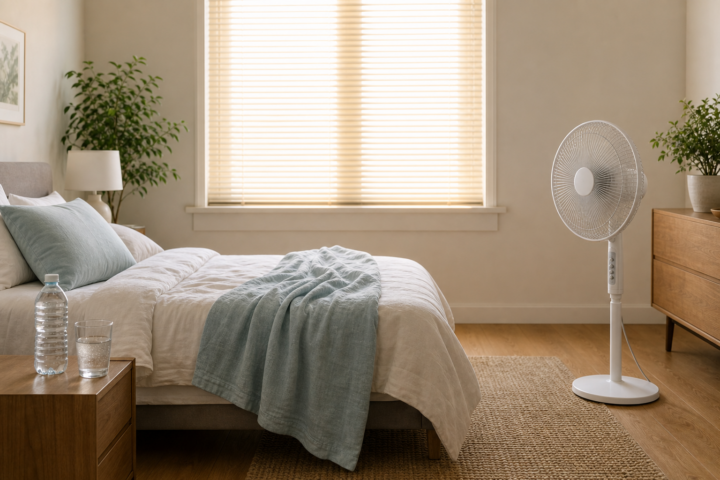
In a small apartment, choose the least sunny room as your base. Close the door to a hot unused room if it does not block useful airflow. Put water, a light towel, and your fan in the room where you will actually sit.
Sunny window example
If direct sun is hitting the window, close blinds or curtains before the floor and furniture heat up. A cabbage leaf on your neck will not compete with sunlight pouring through glass. Shade first, experiment second.
When to close windows and when to ventilate
Keep windows closed while outdoor air is hotter than indoor air. Open them when outdoor air becomes cooler, air quality is acceptable, and the window is safe to open. This is more important than the hack itself.
Evening ventilation
After sunset, compare indoor and outdoor temperatures. If outside is cooler, open a shaded intake window and a warmer exhaust window. A fan can help move hot air out. For the full decision guide, read Should You Open Windows During a Heatwave? and 7 Fan Tricks for Hot Rooms.
Better low-cost alternatives
Damp cloth
A clean damp washcloth is less quirky but more practical. It is easy to rinse, easy to wash, and does not smell like a vegetable drawer. Use it for brief comfort around the neck or wrists, then wash it normally.
Comfortable shower
A cool or lukewarm shower is usually easier than arranging produce on your skin. Pair it with a shaded bedroom, breathable clothes, and safe fan placement. See Cold Shower vs Lukewarm Shower in Hot Weather.
Reusable towel
A cooling towel or small microfiber towel is also easier to pack, wash, and reuse. If you like the chilled feeling, keep one clean towel in the fridge instead of sacrificing tomorrow’s salad.
For a full room plan, use How to Cool a Room Without AC. For red-flag symptom awareness, read Heat Exhaustion Warning Signs to Know.
Frequently asked questions
Do cabbage leaves cool you down?
Chilled cabbage leaves may feel cool on the skin briefly, but they are a comfort experiment, not a way to cool a room or treat heat illness.
Is the cabbage leaves cooling hack safe to try?
Keep it gentle: use clean leaves, avoid broken or irritated skin, stop if it feels uncomfortable, and do not rely on it in dangerous heat.
What works better than cabbage leaves?
Shade, cooler rooms, safe ventilation, fan placement, light clothing, cool showers, clean damp cloths, and reusable cooling towels are usually more practical.
Should I freeze cabbage leaves first?
No. Freezing can make them uncomfortably harsh on skin. Chilled, clean leaves are the gentler option if you test the idea at all.
Sources and safety guidance
Cabbage leaves have been discussed in folk-style poultice or compress contexts, and some research exists around cabbage leaves for breast engorgement. That does not prove heatwave cooling benefits. For actual heat safety, use CDC About Heat and Your Health guidance and follow local public health, emergency, and weather advice.